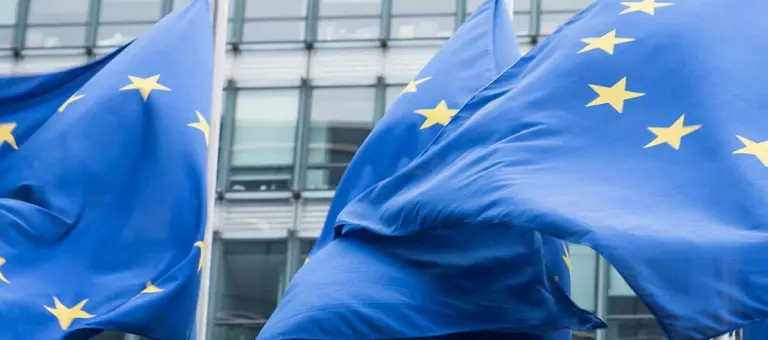
Credibility & durability: EU outlook
Climate commitments have innate risks due to the uncertainties associated with the credibility and durability of those commitments. National commitments need to be backed up with policy and legislative action to ensure they are credible. Equally, the breadth and depth of domestic political support determines the durability of those commitments in light of economic and political shocks which could weaken support in the future.
The trajectory of the policy environment is uncertain, creating a risk to investors, as policy commitments suffer from a lack of:
Credibility: A measure of policy maturity. How developed is domestic decarbonisation policy in relation to Net Zero? Are rhetorical commitments backed up with substantial policy?
Durability: A measure of the depth and breadth of political support. How vulnerable is the energy transition to political and economic shocks?
Baringa’s Credibility & Durability assessments evaluate national commitments in light of these risks and uncertainties to highlight the relative confidence intervals surrounding national transition pathways; seeking to answer the question, are we on the right course?
How credible and durable are the EU's commitments?
Europe has long been a global leader on climate change with some of the strongest domestic policy goals. Indeed recent shortages of Russian pipeline gas have concentrated minds over European energy security and the vulnerabilities of the carbon economy. Risks remain however, as divisions within the 27 member bloc risk creating non-compliance amongst the group's poorest members.
For our full analysis, download our EU report below
We have conducted Credibility and Durability assessments for the four major global emitters. Read our analyses for the US, China and India.
Related Insights

Long-duration energy storage: what are the consequences of deploying 7.6 GW through Window 1?
New analysis suggests a larger-than-needed award could increase consumer costs, reduce battery storage investment and result in a £1.3 billion net socio-economic welfare loss.
Read more
How can gas-to-power CCS support Korea’s low-carbon power future?
As Korea phases out coal, discover how gas-to-power CCS provides a reliable, low-carbon electricity transition toward 2040. Baringa's latest study.
Read more
Network impacts of locating demand closer to generation in Finland
Placing 1 GW of demand closer to generation could save Finland €520m over 20 years.
Read more
Geopolitics is shaping the future of green homes
Green homes are often discussed through the lens of policies, technologies and consumer adoption. But the reality is that they sit within a much wider system shaped by geopolitics, wholesale markets, supply chains and investor confidence.
Read moreIs digital and AI delivering what your business needs?
Digital and AI can solve your toughest challenges and elevate your business performance. But success isn’t always straightforward. Where can you unlock opportunity? And what does it take to set the foundation for lasting success?